Fewer empty seats, fewer empty kilometres.
Where Topsy stands on emissions, vehicle choice and the pressure that ride-hailing puts on a city.
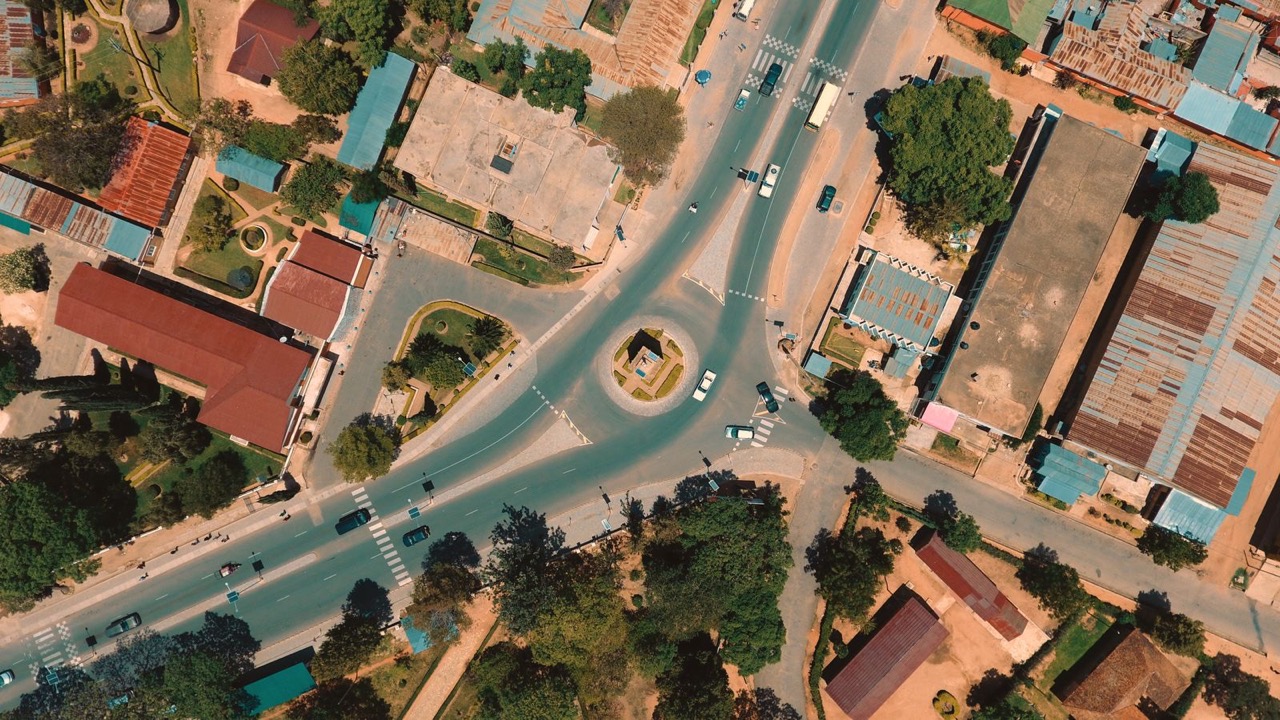
What is true today, before anything we intend
Plenty of transport companies open a page like this with a number. We would rather start with the position, because the number would not yet be one we could evidence.
- Topsy does not run an electric fleet
- Drivers bring their own vehicles, and in Accra today those are overwhelmingly petrol. We are not going to describe that as a green fleet.
- We do not publish a verified emissions figure
- We hold trip distances, so an estimate is possible, but an unaudited figure presented as fact is worth less than saying plainly that we have not had one audited.
- We hold no environmental certification
- None has been applied for. If that changes we will name the scheme and the date.
- What we do influence is trips, not fuel
- The lever a platform genuinely holds is how much driving happens per useful journey. That is where the section below focuses.
Reducing the driving that produces nothing
A ride-hailing platform's footprint is not only the trips it carries. It is also the circling, the dead legs and the repeat journeys caused by a booking that went wrong. Those are engineering problems, and they are ours.
-
Matching the nearest suitable driver
Dispatch scores nearby drivers rather than broadcasting to everyone, so the car that comes is usually the closest one that fits the job. A shorter approach is fuel not burned.
-
Searching ten minutes before a scheduled pickup
A scheduled trip does not hold a driver idle for hours. The search starts close to the time, so the vehicle is doing other work until then instead of waiting.
-
Stops priced into one journey
Up to eight stops belong to a single trip, so collecting somebody on the way is one route rather than two separate bookings covering the same road twice.
-
Standing arrangements instead of daily re-bookings
A school run set up once is planned as a series. Predictable demand is easier to serve without repositioning vehicles across the city each morning.
-
Getting the pickup right first time
Exact pickup points, gate notes and a PIN reduce the circling and the re-dos that quietly add kilometres to a trip that already ended.
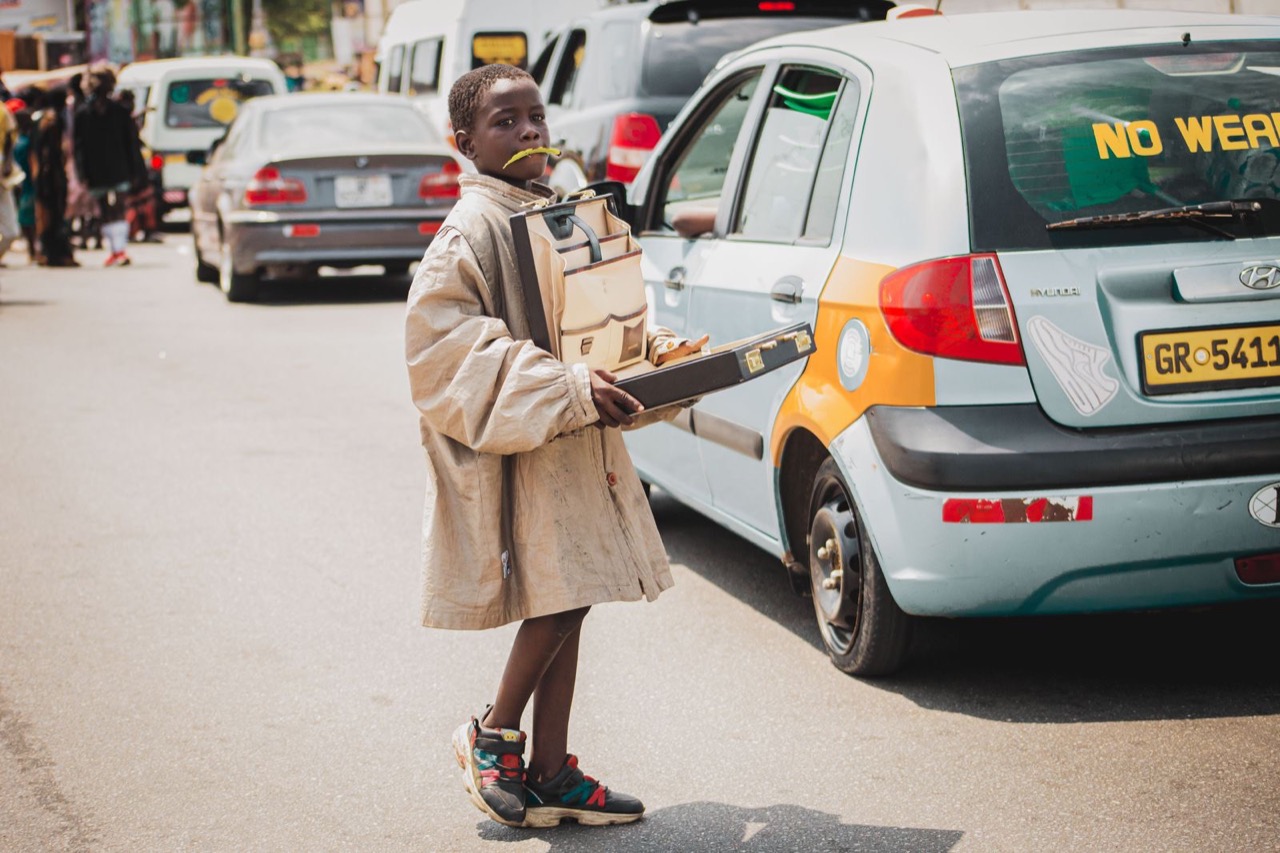
A platform that adds cars to this city has to earn it
Greater Accra does not need more vehicles moving air around. Where Topsy is defensible is in the trips that replace a worse option: a journey that would otherwise have been made in a less roadworthy vehicle, a delivery that would have been a separate car trip by the sender, or a parcel that rides on a motorbike rather than in a saloon.
- Okada is offered where one passenger and no luggage make a motorbike the right vehicle
- Deliveries ride with a courier already moving rather than pulling a second vehicle onto the road
- Drive-to-Own places drivers into serviced vehicles rather than ageing ones
- Coverage is deliberately Greater Accra rather than thin service across the country
The commitments we are prepared to make
- Publish a methodology before a number
- If we publish an emissions estimate, the method comes with it, so it can be argued with.
- Report vehicle mix rather than imply it
- Where the fleet composition changes, we will say what it changed from and to.
- Name schemes, not adjectives
- Any certification or partnership will be named and dated on this page, not described as an ambition.
- Say when something is intent
- Everything above the previous section is current. Everything in this box is intent, and is labelled as such.
If sustainability reporting matters to your organisation before you put staff travel on Topsy, talk to us about what evidence you need. That conversation shapes what gets measured first.
Last reviewed 3 September 2026. If anything on this page has changed, tell us.