A vehicle standing still earns nothing.
Put vehicles to work with vetted Topsy drivers, with Drive-to-Own as one placement route.
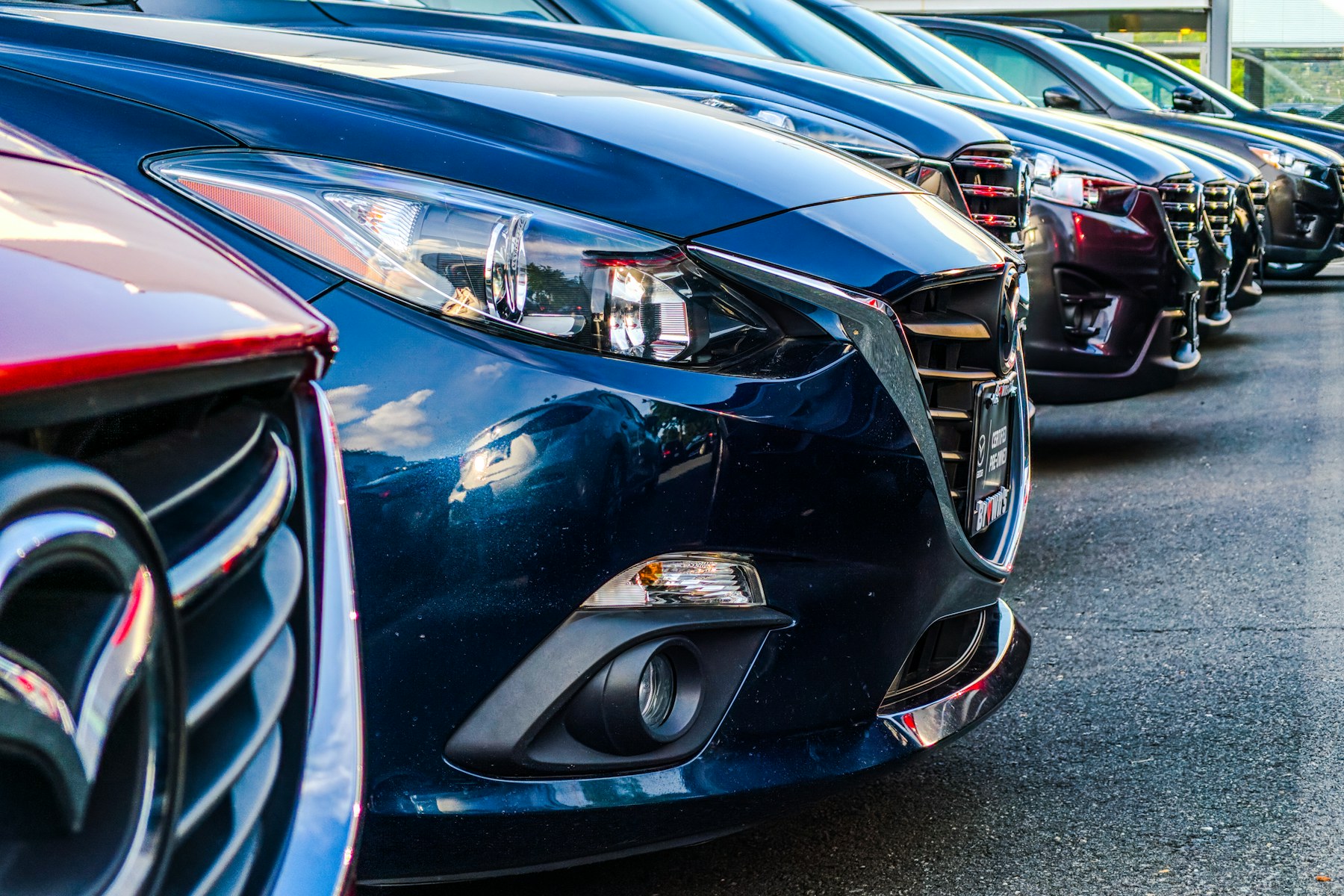
Your vehicle, someone Topsy has checked, and a record of both
The problem with putting a car out with a driver is not finding a driver. It is knowing who has it, whether the papers are current, and what happens the week something goes wrong. Placing a vehicle through Topsy is mostly an answer to those three questions.
- The vehicle enters a registry
- Each car is held with its identifying details, its category and its state: available, assigned, in maintenance, or out of service. A vehicle is never simply out there somewhere.
- Papers are held with their expiry dates
- Insurance, roadworthiness, registration and ownership documents are stored against the vehicle with when each one runs out, and an alert is raised ahead of the date rather than after it.
- One driver, one vehicle
- An allocation binds a specific driver to a specific vehicle, and the system will not let the same driver or the same car be assigned twice. There is no ambiguity about who had it.
- Drive-to-Own is one route, not the only one
- A vehicle placed with Topsy can back a Drive-to-Own contract, where the driver repays towards ownership on recorded terms. What suits your fleet is part of the conversation when your application is reviewed.
- Maintenance is scheduled, not remembered
- Servicing runs on schedules that generate jobs, and a vehicle can be taken off the road as under maintenance rather than quietly kept working.
From your first form to a vehicle on the road
-
Start the application, finish it later if you need to
The form saves as a draft and hands you a private link back to it. Bookmark that link. It is how you return to the application, and it is the only way back in, so nobody else can open your submission.
-
Submit it
Once submitted, the application is locked from further edits. That is deliberate: the version Topsy reviews is the version you sent, not something that moved underneath the reviewer.
-
A person reviews it
Your documents are opened through signed links that expire, and the application moves to under review, approved, or rejected with a reason written for you rather than a status code.
-
Vehicles are added to the fleet registry
Each vehicle is recorded with its identifiers and category and sits as available. A larger fleet is loaded from a schedule rather than typed in one vehicle at a time.
-
A vehicle is allocated to an assessed driver
Allocation is to a driver who has been through Topsy's assessment, and it creates a recorded assignment with the vehicle's state changed to match. Nothing is handed over informally.
Vetted means something specific here
A driver reaching the point of allocation has already been through Topsy's own onboarding and then a second, separate assessment. Both are done by people, not by a form that approves itself.
The checks do not stop at handover. A driver whose licence lapses, or whose vehicle documents expire, stops receiving work.
- Identity
- Documents captured at driver onboarding and reviewed by the Topsy team before the account is verified.
- Licence
- Number, expiry date and a photograph. An expired licence takes the driver out of dispatch.
- Affordability
- Income and driving pattern assessed and scored where the placement involves repayments.
- Guarantor
- A named guarantor with their own document, assessed alongside the rest.
- Background
- A background check recorded as clear, needing review, or failed. A failed check cannot be approved.
The parts that usually go wrong, watched
- Documents that are about to expire
- Each document carries how many days of warning it should give. The alert arrives before the lapse, which is the only time it is any use.
- Documents that already have
- An expired insurance or roadworthiness document is marked expired and the vehicle is taken out of service. A car cannot keep carrying passengers on lapsed papers because nobody noticed.
- Servicing
- Maintenance schedules generate jobs against a vehicle, and a vehicle in maintenance is held in that state rather than being dispatched.
- Alerts that escalate
- Fleet alerts carry a severity and a state of open, acknowledged or resolved, with a due date and an escalation point. An alert nobody answers does not just sit there.
- Accidents and incidents
- An accident puts the vehicle into its own state and opens an incident on the Topsy operations board, worked through acknowledged, investigating and resolved, with every action recorded.
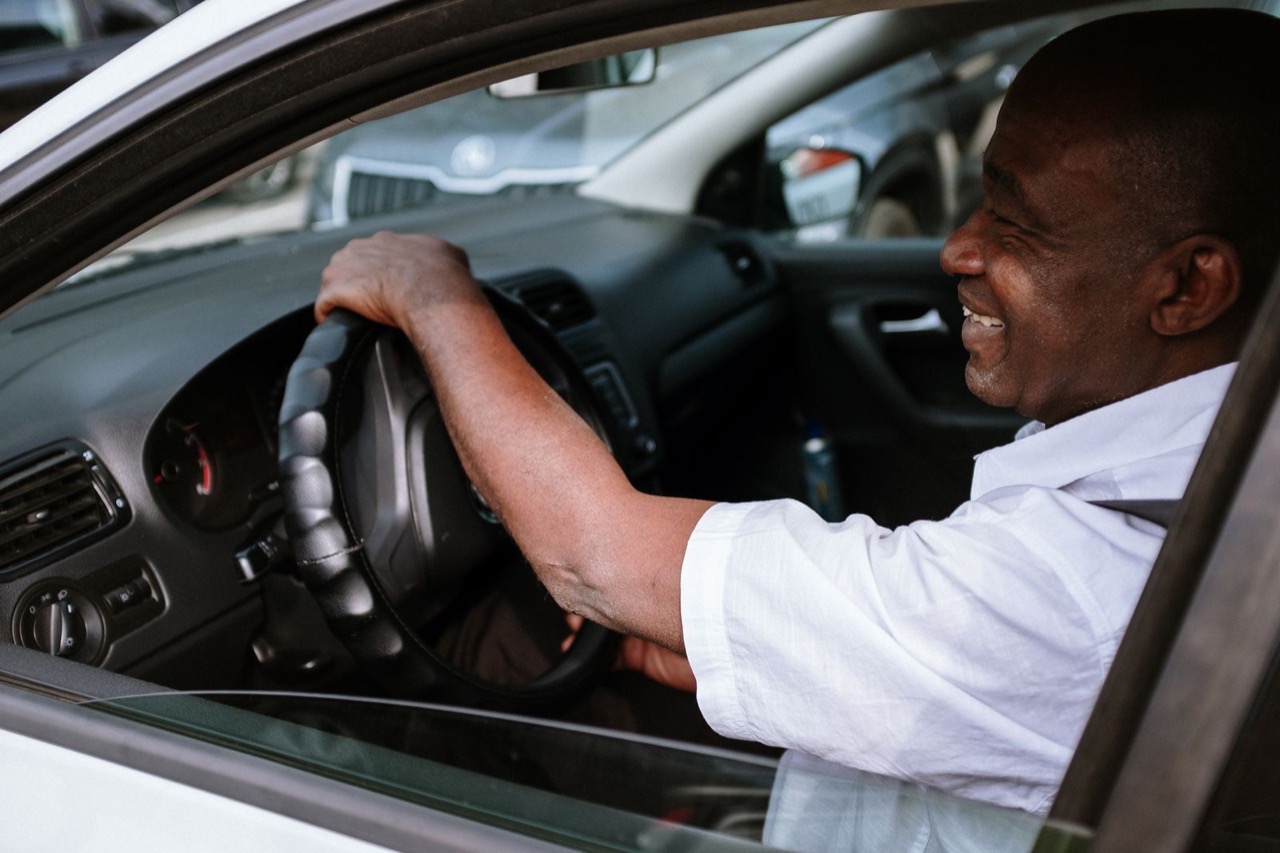
What the application asks for
- Your name, and your company name if the fleet is registered to one
- An email address and a phone number Topsy can reach you on
- How many vehicles you are placing
- The city you operate them in
- The vehicle types, makes and years
- Any notes on ownership and how they are operated today
- A vehicle registration document or a fleet schedule, as an image or PDF
- Your identity document, as an image or PDF
- Your confirmation and consent to ownership and vehicle checks
No payment is taken when you apply, and the form can be saved as a draft. Commercial terms are agreed with the Topsy team when your application is reviewed, so they are not quoted on this page.
Before you apply
How many vehicles do I need?
The application takes anything from one vehicle upwards. A single car and a schedule of a hundred go through the same review.
What are the commercial terms?
They are agreed with the Topsy team as part of the review, because they depend on the vehicles, the city and the placement route. Topsy does not publish a rate here that would not survive contact with your fleet.
Can I come back to a half-finished application?
Yes. Save it as a draft and keep the private link you are given. That link is how you get back in, so bookmark it rather than relying on finding this page again.
Can I edit an application after submitting it?
No. Only a draft can be changed. Once it is submitted, the version under review is fixed. If something needs correcting, contact the Topsy team.
How is my vehicle protected?
It is allocated to one named, assessed driver, its documents are tracked to their expiry dates, servicing runs on a schedule, and an accident opens a recorded incident. Insurance itself remains a matter for your own policy.
What is Drive-to-Own's part in this?
It is one way a placed vehicle is used: the driver repays towards ownership on written terms, with the balance and the equity tracked on a ledger. The Drive-to-Own page sets out how that works.
Put the fleet to work.
Start the application, save it as a draft if you need to gather documents, and come back through your private link.